

Why the clocks going forward can help you fall asleep faster and skip 3 a.m. wake-ups
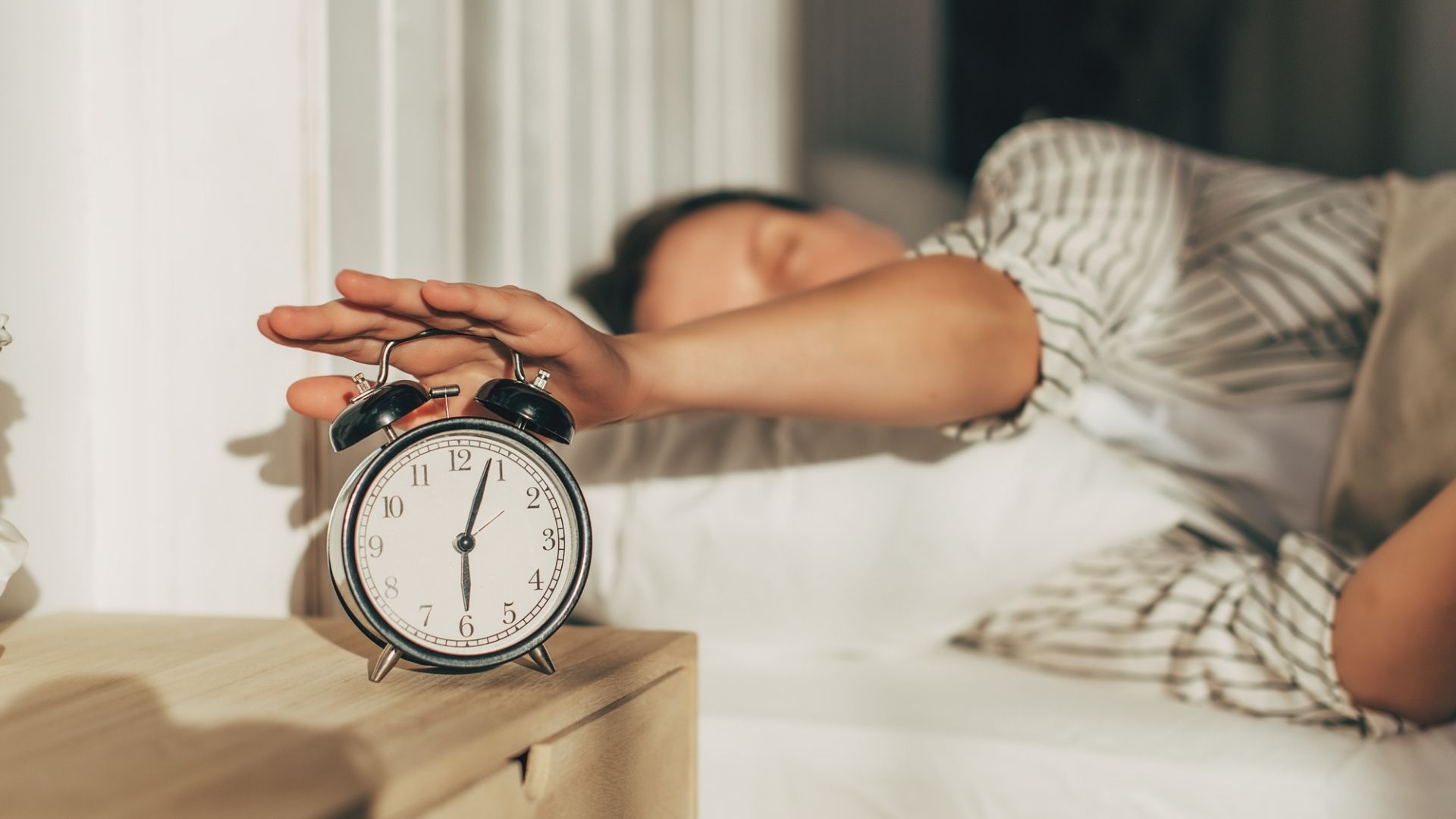
The clocks go forward this Sunday as we shift from Standard Time (ST) to Daylight Saving Time (DST). Yet despite the fact that we’ll be losing an hour’s sleep, the changing of the clocks is actually good news for your sleep health this spring and summer.
Need a new bed this spring?
Our guide to the best mattresses of 2026 can help you find the perfect bed for your sleep style and needs
I recently spoke to licensed clinical psychologist Dr. Liz Ross and certified health and wellness coach Erin Clifford to uncover exactly why we’re now entering the best time of year to skip those annoying 3 a.m. wake-ups, to fall asleep faster at night, and to generally get our sleep back on track.
Here’s what they told me…
Key take-aways: At a glance
- The clocks going forward means more daylight which helps reinforce your circadian rhythm.
- Sleep benefits include falling asleep faster, avoiding 3 a.m. wakeups and waking up more easily.
- You may have a short period of adjustment after losing an hour of sleep when the clocks change, as it can affect circadian alignment.
- To manage the transition, avoid alcohol and a late night on Saturday, don’t press the snooze button and stick to your schedule even if you’re tired.
- Try shifting you sleep and wake times 15 minutes earlier Friday night/Saturday morning and Saturday night/Sunday morning to help offset the hour of sleep loss.
- Once your body adjusts, the clock change can support sleep if you stick to a consistent sleep schedule and making the most of morning sunlight.

Brighter days, better nights
“The time change benefits us from a sleep, mood, and behavioral standpoint,” says wellness coach Erin Clifford, who is also a licensed professional counsellor and author of Wellness Reimagined.
“Getting more sunlight is crucial for strengthening your internal clock, boosting daytime alertness, and improving nighttime sleep quality.”
Getting more daylight at this time of year reinforces your circadian rhythm, so you’ll get better at releasing sleep hormones at night and alertness hormones in the day.
Providing you work with your biology by maintaining a consistent sleep schedule while enjoying this enhanced daylight, you should have an easier time drifting off, and staying asleep through the night.

If you’ve been relying on a sunrise alarm clocks to drag you out of bed for months, when the mornings brighten up again you’ll be able to replace simulated morning light with the real deal — and reap the sleep benefits.
Just remember that the clocks going forward leads to a temporary period of darker mornings before brighter dawns arrive.
The 3 big sleep benefits of the clocks going forward
1. You’ll fall asleep faster at night
Surprisingly, the dark evenings have made it harder for me to fall asleep at night. I’ve found myself feeling wired rather than tired by the time bedtime rolls around after spending all evening in artificial light.
“Springing forward can eventually support sleep if people lean into consistent schedules and morning light exposure”
Dr. Liz Ross
Dr. Ross says the primary sleep benefit of the clocks moving forward is increased evening light.
The Houston-based psychologist explains: “Light is the most powerful regulator of our circadian rhythm. Longer daylight hours can boost mood, energy, and physical activity, which indirectly support sleep quality.”

With the actual sunset closer to bedtime now, your body should get used to producing the sleepy hormone melatonin when you actually go to bed, rather than when you’re still ticking things off your to-do list at 4 p.m.
Plus, longer daylight hours mean we’re more likely to be outdoors and active.
And, thanks to increased activity through the day, your body will have built up more sleep drive, says Dr. Ross, making it easier to fall asleep once you’re tucked up in bed.
2. You’ll have less 3 a.m. wake-ups
You may find yourself sleeping less after the clocks go forward and spring arrives — worry not, research shows that sleep duration can decrease in warmer months, while one study even found that sleep architecture (including the amount of REM sleep) changes.
And, spending plenty of time outdoors in sunlight, (particularly morning sunlight) is easier to do on Daylight Saving Time as opposed to Standard Time, and this helps to regulate your circadian rhythm.
In turn, this means your body can consistently release melatonin through the night to maintain sleep.

The result is that your sleep cycles should be more stable, free of frustrating 3 a.m. wake ups and any awakenings you do have between each sleep stage are likely to be more subtle (you may not even notice you’re awake).
If you find your sleep quality is not improving or worsening with the extended days, you may have an underlying sleep issue, such as chronic insomnia. In this case, it is always best to consult a medical professional.
3. You’ll have more energy and (eventually) wake up easier
While mornings temporarily get darker again after the clocks go forward, as we transition into spring the sun will start to rise earlier again. That means waking to natural light, which signals the brain to release cortisol to give us energy to get up and go. It’s a contrast to winter, when waking in darkness can leave us feeling groggy.
Indeed, the lighter days also help solve one of the biggest complaints Clifford, who coaches professionals to live healthier lives, gets from clients: “It’s hard to stay motivated for life, work, and lifestyle (exercise, healthy eating, mindfulness) when they leave their homes for work in the dark and return home in the dark.”

But extended daylight hours, along with a sprinkling of spring weather, is just the kick I need to start practising healthier habits. Suddenly, I’m more inclined to hit the gym before work or go for that evening walk.
And data released by Oura, the brand behind our best sleep tracker of the year, shows I’m not alone. Oura’s findings from the shift to Daylight Savings Time in March 2025, show it boosted users’ activity levels.
An analysis of 100,000 US-based members found activity levels increased between March 9 and 15 (Daylight Saving Time) compared to March 2 to 8 (Standard Time). Average step count was up 2.84%, workout duration rose by 3.66%, and sedentary time decreased by 1.50%.
Another bonus is that exercise itself is good for sleep quality.

A short period of adjustment
Admittedly, you won’t experience these changes straight away, as the initial time change steals an hour of sleep, temporarily throwing off your circadian alignment.
But once the body adjusts, Dr. Ross explains, you can notice improved sleep efficiency — if increased daylight leads to more activity, stronger circadian signaling, and stable wake times, that is.

“In short, springing forward can eventually support sleep if people lean into consistent schedules and morning light exposure,” she says. Even though “the immediate effect is usually mild sleep deprivation and temporary circadian disruption.”
Of course, it’s harder to sleep when heatwaves creep up on us mid-summer. But for now, as we approach the start of spring, you should find yourself sleeping better and waking up restored.
How to prepare for losing an hour’s sleep when the clocks go forward
While the longer, brighter days can eventually help you regulate your circadian rhythm, the temporary sleep deprivation and disruption to your body clock cause by losing an hour’s sleep can pose a problem.
To stop this transitory sleep loss snowballing into a bigger sleep debt, and help yourself ahead of, and during, the time change, Clifford advises you “Skip the snooze button” because it “disrupts your body’s internal clock and causes you to feel groggy for hours.”
“The night before the clocks change, avoid a late night and alcohol to set yourself up for success the next morning,” the Cognitive Behavioral Therapy for Insomnia (CBT-I) therapist adds.
“Finally, hydrate and stick to your routine — even if you’re tired — it will help stabilize your circadian rhythm.”
You could also set your alarm to go to bed 15 minutes earlier tonight, and to wake up 15 minutes earlier tomorrow, and the same again on Saturday, so that technically you’re only dealing with 30-minutes loss of sleep on Sunday.

Follow Digitpatrox on Google News and add us as a preferred source to get our up-to-date news, analysis, and reviews in your feeds.
Source link
